

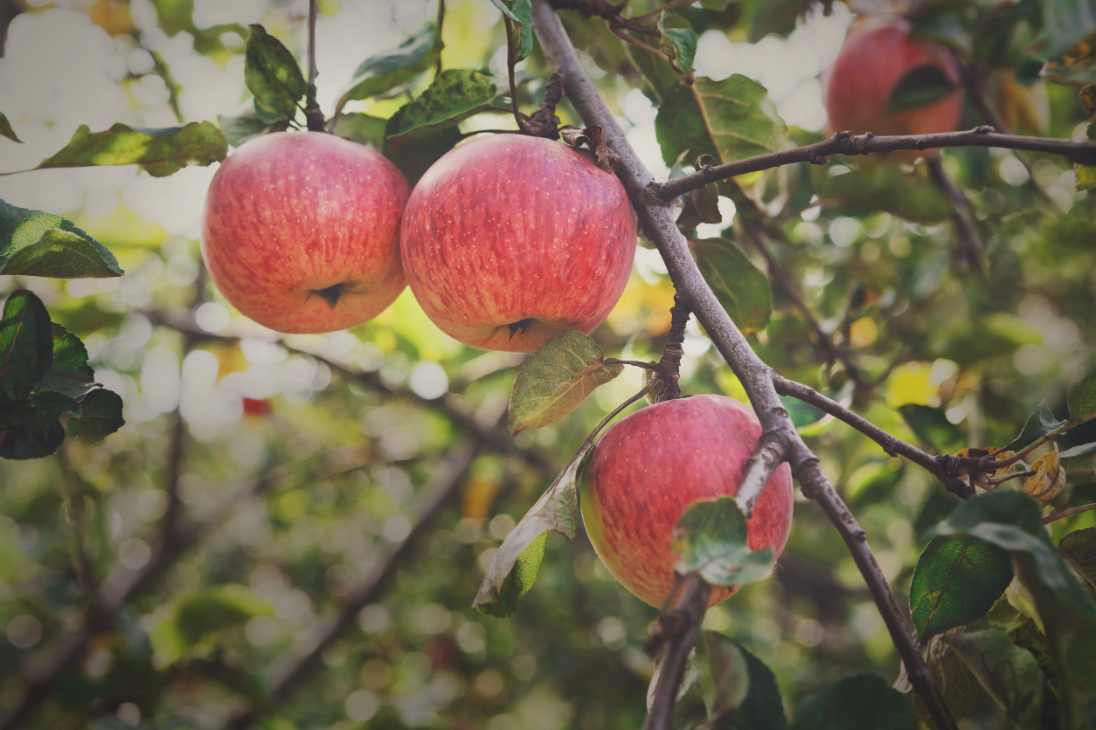
Fire Blight is a bacterial disease that mainly affects apple and pear orchards, representing one of the most feared diseases in these plants. Caused by the bacterium Erwinia amylovora, this infection spreads rapidly and can compromise the integrity of the entire plant, with significant economic consequences. The botanical approach to this disease requires a thorough knowledge of its characteristics, infectious cycle and symptoms, which are essential for timely diagnosis and targeted interventions.
Characteristics of the bacterium and mode of infection
Erwinia amylovora is a Gram-negative bacterium that manifests itself through symptoms evident from the earliest stages of infection. The disease is named “Fire Blight” because of the burnt discoloration that appears on the affected parts, as if the plant had been hit by a fire. The bacterium spreads mainly through water and wind, coming to contaminate flowers, fruits and branches. Entry of the pathogen often occurs through small wounds or abrasions, which can be caused by insects, adverse weather conditions, or mechanical operations in the orchard.
Once infection is established, the bacterium spreads along the vascular system, interfering with the normal transport of water and nutrients. This leads to rapid deterioration of plant structures, with the appearance of dark, necrotic spots affecting leaf tissue and fruit in particular. Affected plants show signs of marked stress and, in many cases, marked discoloration resembling a “burnt” effect.
Infectious cycle and conditioning factors
The infectious cycle of Fire Blight develops in several stages involving dispersal, entry, and colonization of plant tissue. The spread of the bacterium begins with the formation of spores and the release of effectors that facilitate tissue adhesion and invasion.
- Dispersion: the bacterium is carried by water droplets, rain and wind, reaching exposed surfaces, particularly during periods of high humidity and mild temperatures.
- Infiltration: through small lesions on flowers or fruit, Erwinia amylovora penetrates plant tissue. Moist conditions favor germination and multiplication of the bacterium.
- Colonization: once inside, the pathogen rapidly multiplies in the vascular system, preventing the normal flow of water and nutrients and causing necrosis in tissues.
- Internal and external spread: expansion of the bacterial mycelium results in the appearance of visible symptoms, which include blackening and burning of tissues, often followed by fruit drop.
Favorable climatic conditions, such as frequent rainfall, high humidity and temperatures between 20 and 30 °C, provide the ideal environment for the development and rapid spread of the disease. Agronomic practices, such as pruning and irrigation, also play a crucial role in the spread of the pathogen.

Clinical manifestations of Fire Blight
The symptoms of Fire Blight are easily recognizable and manifest progressively. In apple and pear trees, the disease initially presents with mild yellowing or burning of leaf tissues, which quickly spreads to the stem and fruit. The most characteristic manifestations include:
- Burnt spots: leaves and branches show dark staining spots that spread unevenly. These lesions appear as if they have been “burned,” which is why the condition is named Fire Blight.
- Premature fruit drop: in affected orchards, impairment of the vascular system induces premature fruit drop, reducing yield potential.
- Deformation and wilting: infected plants often show general wilting, with branches and stems taking on a withered and debilitated appearance.
- Branch spotting and necrosis: The spread of the disease along the branches causes necrosis and discolors the entire orchard structure, making the impact of the infection obvious.
Combined, these signs provide a useful diagnostic framework for detecting disease onset and activating early intervention protocols. Other diseases such as scabies of the pear tree also called Pear scab sometimes are difficult to detect.
Monitoring and Diagnosis Using Digital Technologies
Early detection of Fire Blight is crucial to contain the spread of the pathogen. The use of digital technologies, based on high-precision sensors, allows constant monitoring of plant physiological parameters. These instruments measure, for example, water flow and sap composition, data that can anticipate the onset of clinical symptoms.
Plantvoice® integrates into this monitoring system with sensors strategically placed within orchards. These devices collect data in real time, allowing detection of abnormalities in the functioning of the vascular system that may indicate pathogen activity. In this way, areas at risk can be located and targeted interventions can be activated to limit the expansion of infection.
Fire Blight (Erwinia amylovora) Summary Table.
| Appearance | Description |
| Pathogen | Erwinia amylovora |
| Crops Affected | Apple, pear and other orchards |
| Initial Symptoms | Yellowing and “burning” of leaf tissues |
| Advanced Symptoms | Dark spots, necrosis, premature fruit drop and wilting of branches |
| Favorable Conditions | High humidity, mild temperatures (20-30 °C) and frequent rainfall |
| Modes of Diffusion | Transport of the bacterium by water, wind and mechanical wounds |
| Digital Monitoring | High-precision sensors (Plantvoice®) that detect changes in water flow and sap composition |
Operational intervention strategies
Management of Fire Blight requires an integrated approach involving a series of synergistic interventions. Traditional agronomic techniques, such as pruning infected branches and applying specific treatments, are combined with digital monitoring to contain the spread of the bacterium. In particular, the adoption of measures such as:
- Regular inspections: frequent visual inspection allows early detection of early signs of infection.
- Irrigation management: limiting irrigation during periods of high humidity reduces the risk of pathogen spread.
- Sanitization of tools: thorough cleaning of tools used in the orchard is essential to avoid mechanical contamination.
- Continuous monitoring: ‘s use of digital sensors provides useful data to locate areas at risk, facilitating targeted application of treatments.
These strategies, applied in a coordinated manner, help reduce the impact of infection and preserve orchard productivity.
FAQ – Erwinia amylovora
- What is Fire Blight and what crops does it affect?
Fire Blight is a bacterial disease caused by Erwinia amylovora that infects mainly apple and pear trees, affecting plant viability and crop quality. - What are the early signs of Fire Blight infection?
Initial symptoms include yellowing and burning of leaf tissues, followed by the formation of dark spots on the branches. - How does the bacterium responsible for Fire Blight spread?
The bacterium is transmitted through water, wind and mechanical wounds, reaching plant tissues where it can establish infection. - What environmental factors promote the development of the disease?
Conditions of high humidity, temperatures between 20 and 30°C and frequent rainfall create the ideal environment for the pathogen to spread. - How does digital monitoring support the diagnosis of Fire Blight?
High-precision sensors detect changes in the physiological parameters of plants, making it possible to detect abnormalities that indicate the presence of the bacterium and take early action.


 in apple and pear trees)
 in apple and pear trees&description=&image=https://plantvoice.farm/wp-content/uploads/2025/03/melo-1024x682.jpg)