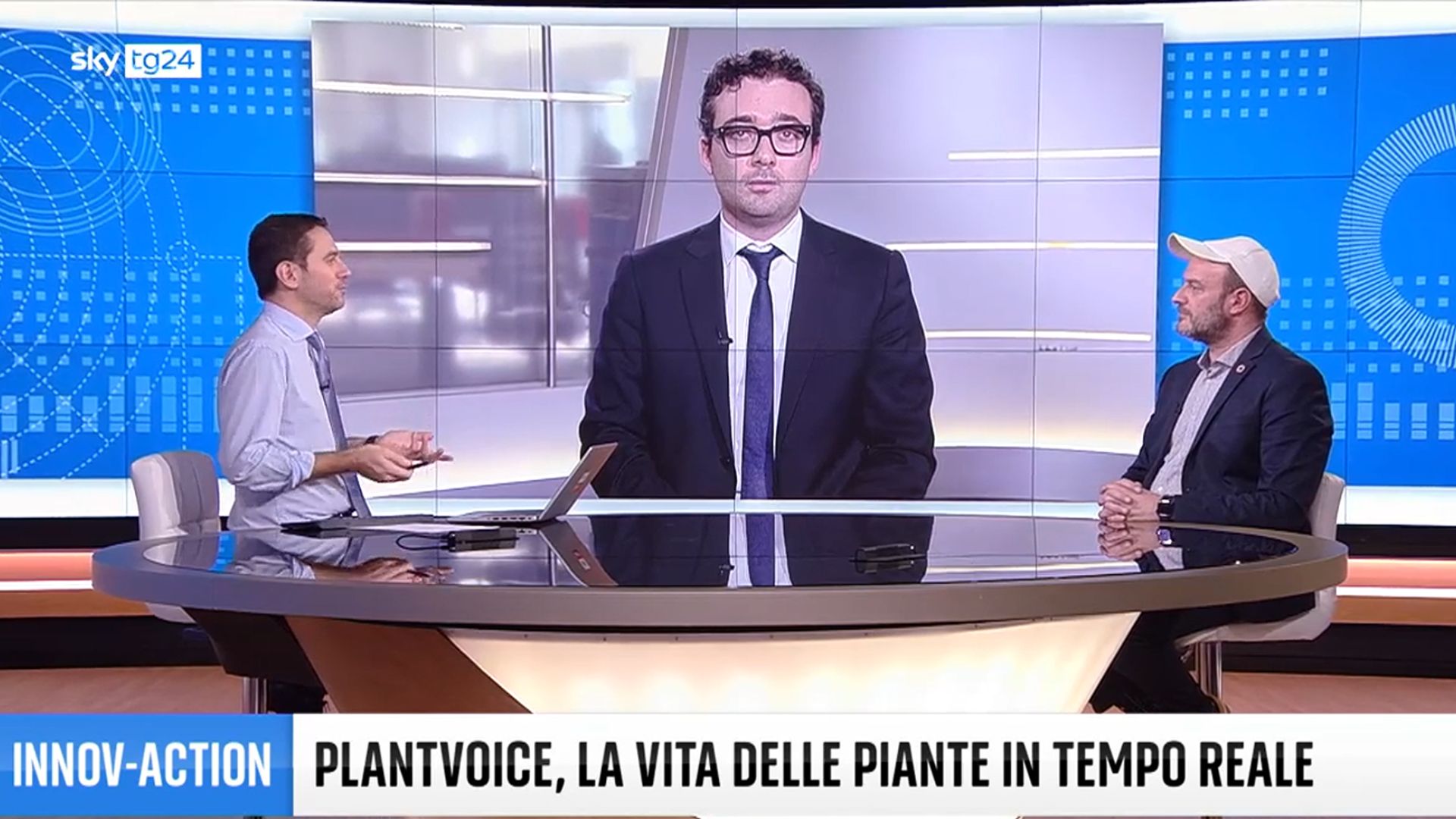
PLANTVOICE® is the made in alps technology that helps farmers predict the quality of agricultural production and maximize crop yields:
Thanks to its ability to analyze sap in real time, Plantvoice allows the optimal use of resources such as water, fertilizers and pesticides, improving plant health
Plantvoice is patented in Italy, Europe, the United States and in all major
international markets.
In the agricultural sector, timely diagnosis of plant diseases is a key element to guarantee the productivity and quality of crops. PlantVoice represents an advanced technological solution that allows real-time monitoring of plant physiology, quickly identifying any signs of stress or pathologies.
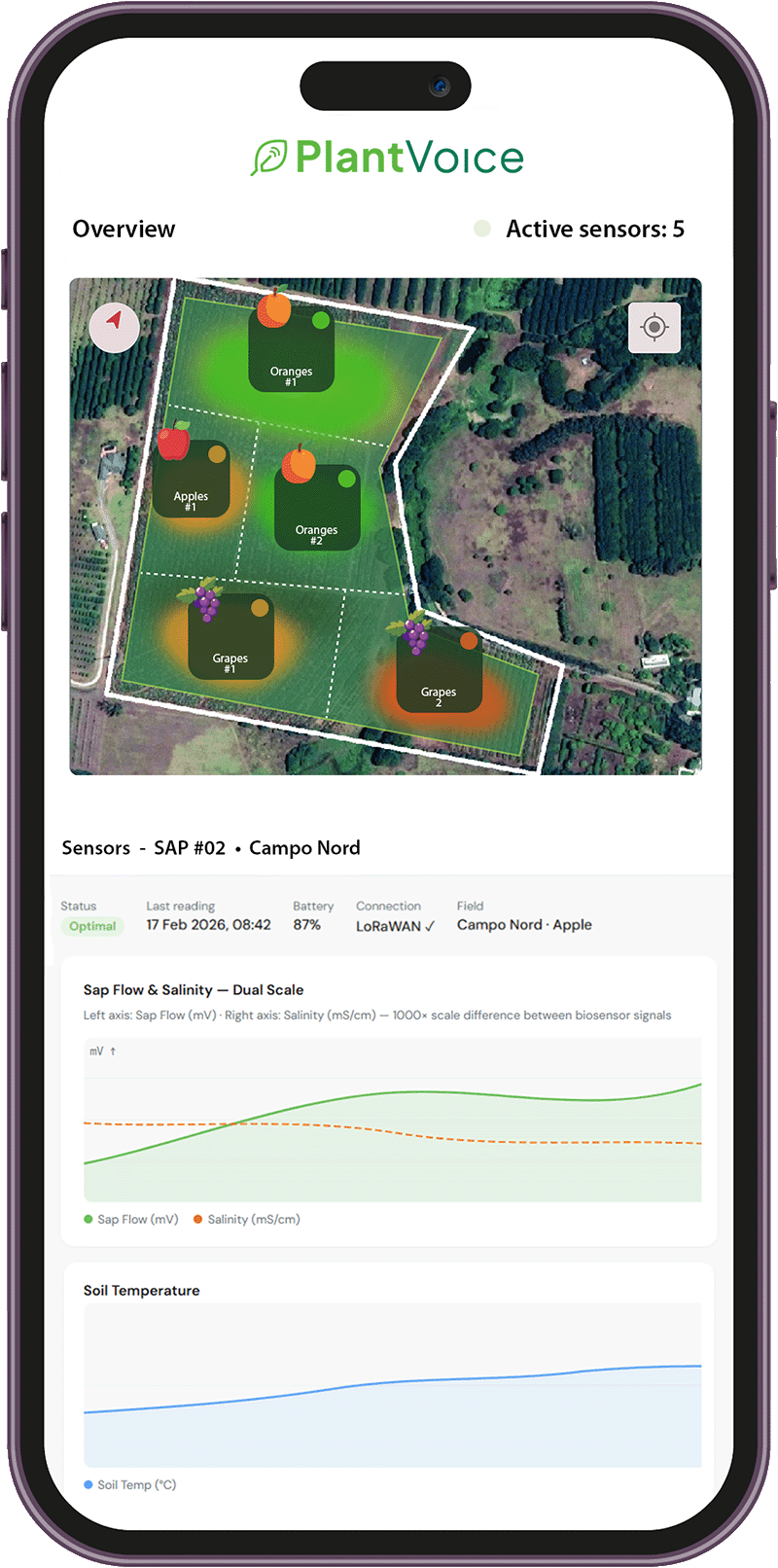
PlantVoice is based on an as-a-service sensor technology that collects and analyzes internal physiological data of plants, offering farmers detailed information on the health status of crops. Unlike traditional technologies that monitor the surrounding environment (such as soil sensors, satellite images or drones), PlantVoice performs an analysis directly from inside the plant, making the diagnosis more timely and precise.
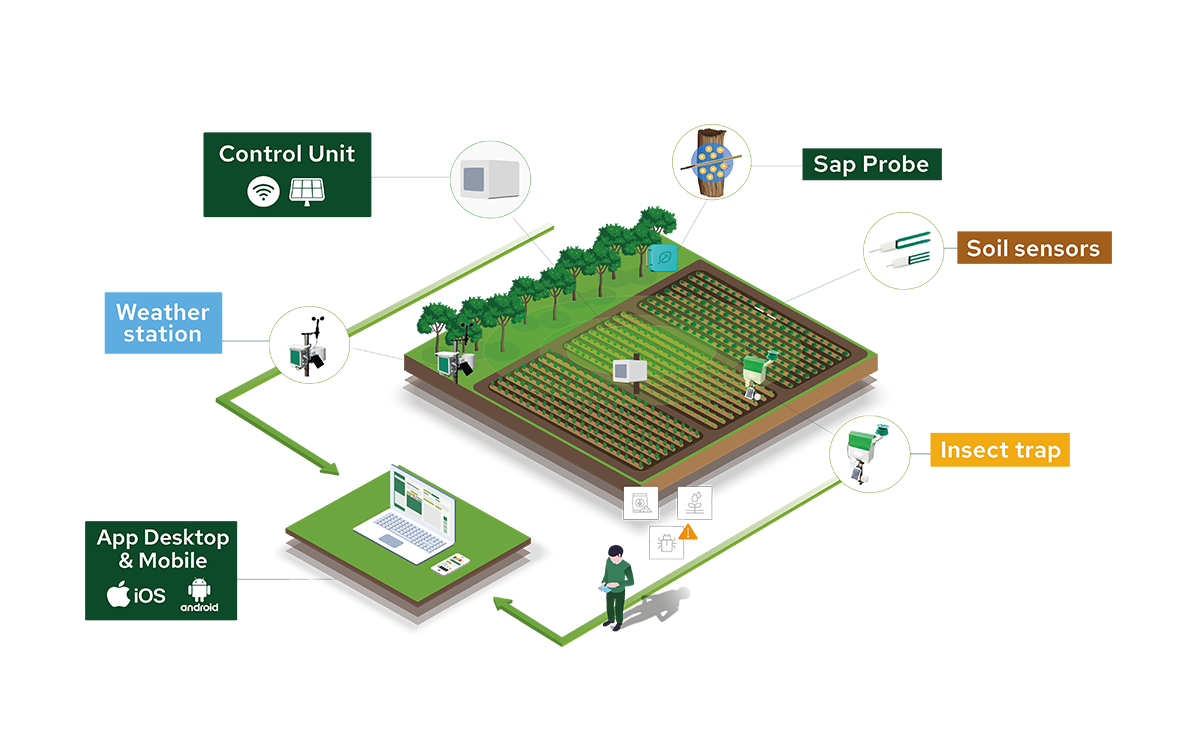
The system consists of a minimally invasive phytocompatible device, which is inserted into the plant stem and allows monitoring salinity and sap flows, a sort of “plant electrocardiogram”. The device transmits the collected data to an artificial intelligence-based software, which processes them in the cloud through advanced algorithms. This allows to:
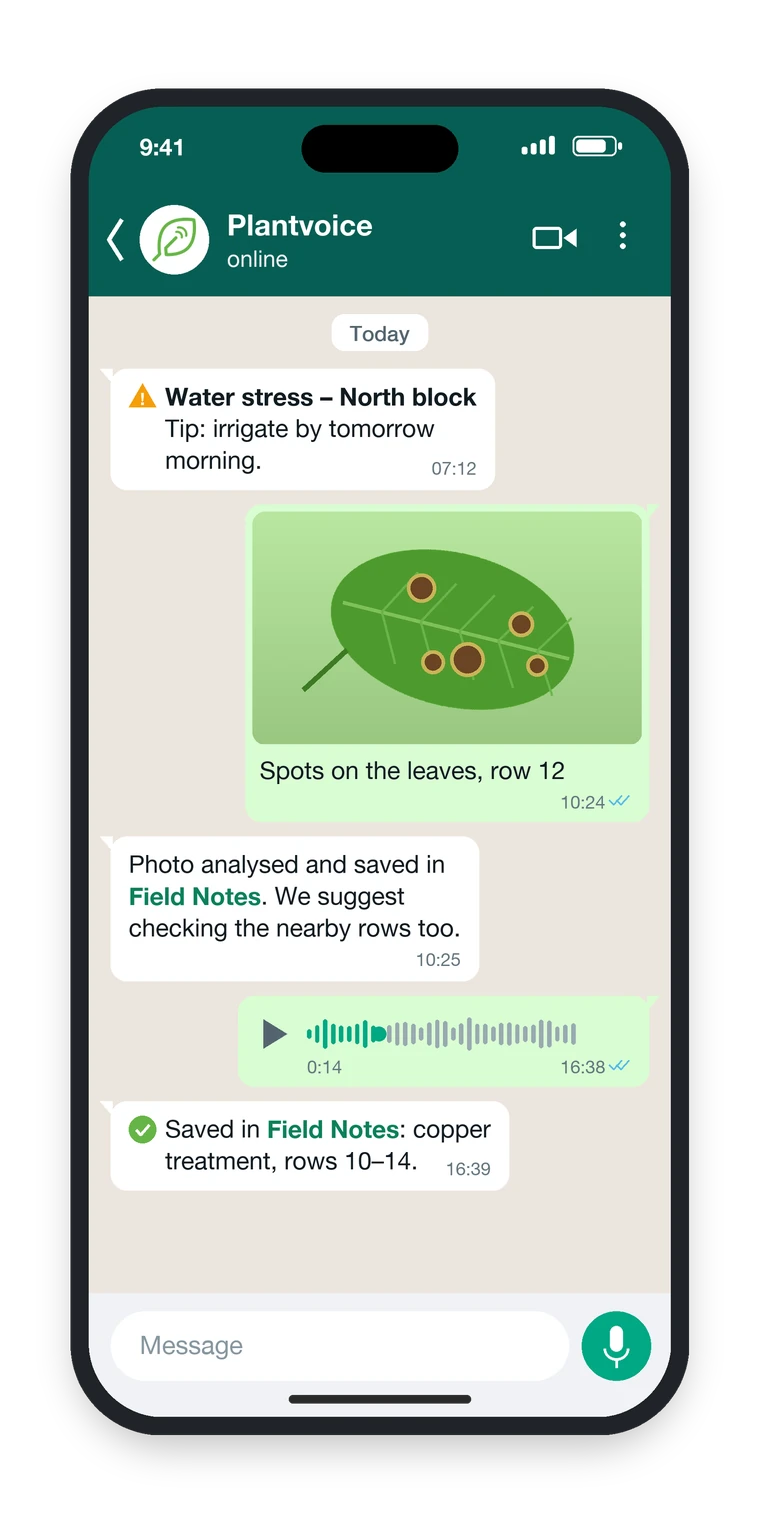
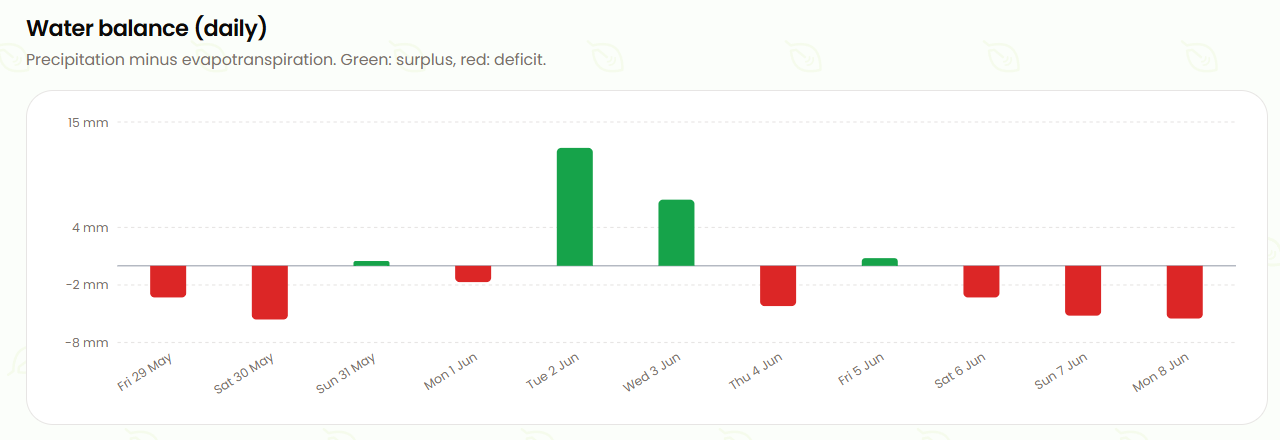
• Identify signs of water stress before they become critical, optimizing irrigation
• Recognize early attacks by fungi, bacteria and other pathogens, reducing the risk of epidemics in the field
• Analyze the plant’s response to agronomic treatments, improving phytosanitary management