

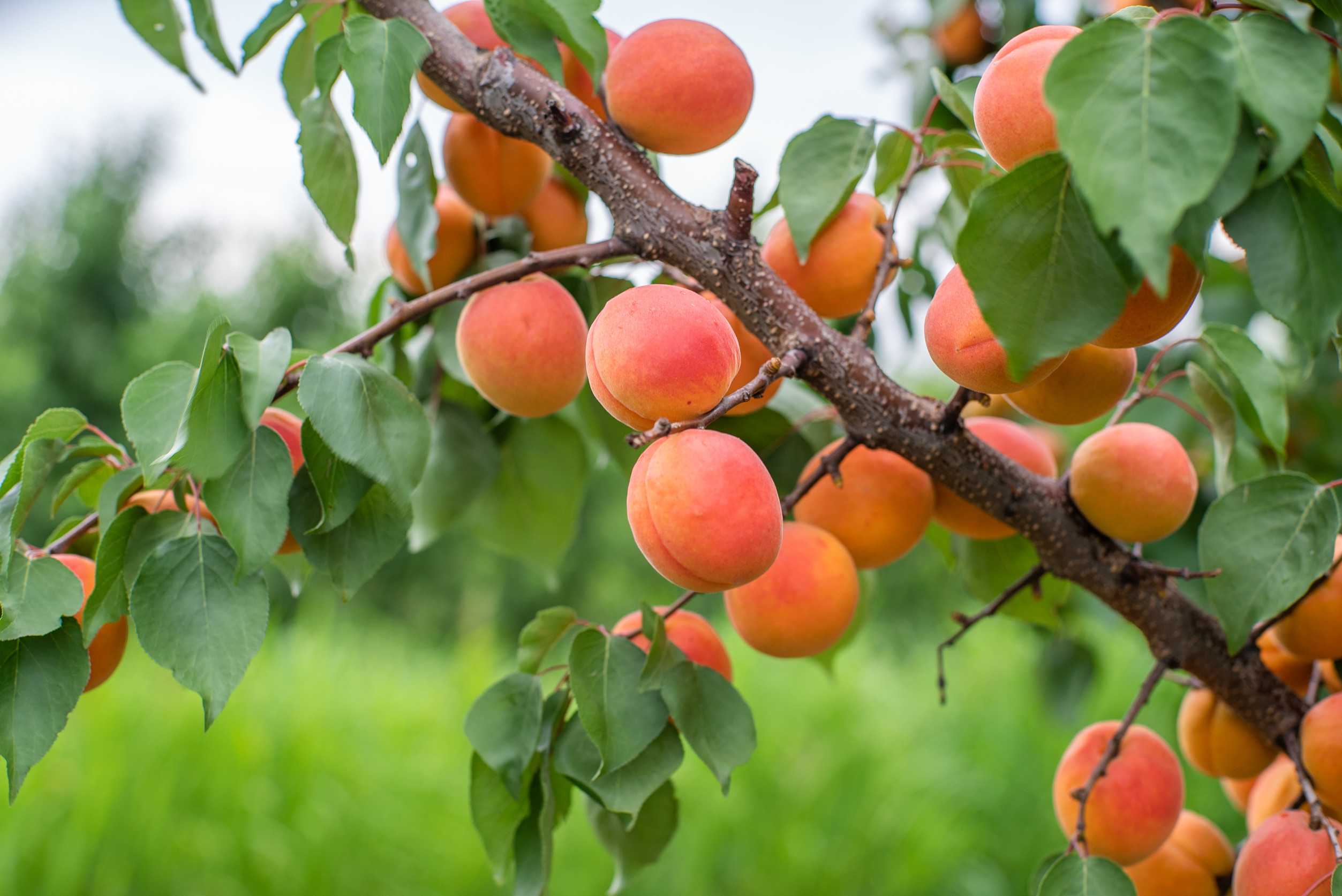
Moniliosis, also known as Brown Rot, is a fungal disease that mainly affects stone fruits, such as peaches, apricots and plums, with major impacts on the quality and quantity of production. This disease, caused by fungi of the genus Monilinia, acts on the fruit tissue causing rot and progressive deterioration, resulting in loss of commercial value of the produce. A detailed analysis of the disease is provided below, examining its characteristics, infectious cycle and clinical manifestations, with a special focus on up-to-date and original information also from operational experience in the field.
Characteristics of Moniliasis (Monilia)
Moniliosis occurs mainly on stone fruits, spreading rapidly under conditions of high humidity and moderate temperatures. The pathogen settles on the fruit surface and penetrates through small abrasions or pre-existing lesions, establishing an infectious process that leads to the formation of widespread rot. Infected fruits show initial lesions that appear as small watery spots, which rapidly expand, taking on brown hues and compromising the integrity of the flesh.
A distinguishing feature of monilioliasis is the rapid spread of infection, which not only alters the appearance but also affects the texture and storability of the fruit. The rot can affect the entire fruit, leading to the formation of necrotic areas and loss of juiciness, with a consequent negative impact on yield and marketability of the product.
Infectious cycle and mode of spread
The infectious cycle of moniliasis has several stages, which are closely intertwined with favorable environmental conditions:
- Spore germination: spores produced by the pathogen are released on the surface of the fruit and, under high humidity, find ideal conditions to germinate.
- Penetration into fruiting tissues: mycelium formed as a result of germination penetrates the crevices of the skin, spreading inside the fruit.
- Rot development: once inside, the mycelium expands rapidly, altering tissue structure and causing the onset of marked, necrotic lesions.
- Spore dispersal: the infectious process culminates in the production of additional spores that, carried by irrigation water or rainfall, contaminate other fruits and areas of the crop.
The speed with which infection sets in makes early diagnosis essential, especially with persistent weather conditions that favor germination and spread of the pathogen.
Clinical manifestations in stone fruits
The symptoms of moniliasis are obvious and develop progressively. In the early stages, lesions appear as small watery spots on the peel, which rapidly expand as the infection progresses. Over time, these spots coalesce to form extensive brown patches that affect both the skin and flesh of the fruit. Infected fruit may exhibit:
- Widespread rot: infection leads to tissue necrosis, compromising the structural integrity of the fruit.
- Texture alteration: affected fruits lose their juiciness and may take on a soft texture or, conversely, harden at the edges of the infected area.
- Secretion of fluids: in some cases, lesions evolve with the leakage of fluids, which facilitate the dispersion of spores, amplifying the infectious process.
- Deterioration in appearance: rot and discoloration reduce the aesthetic appeal of the fruit, making it unsuitable for marketing.
The rapidity with which these symptoms develop underscores the importance of early diagnosis and timely intervention to contain the spread of the disease.
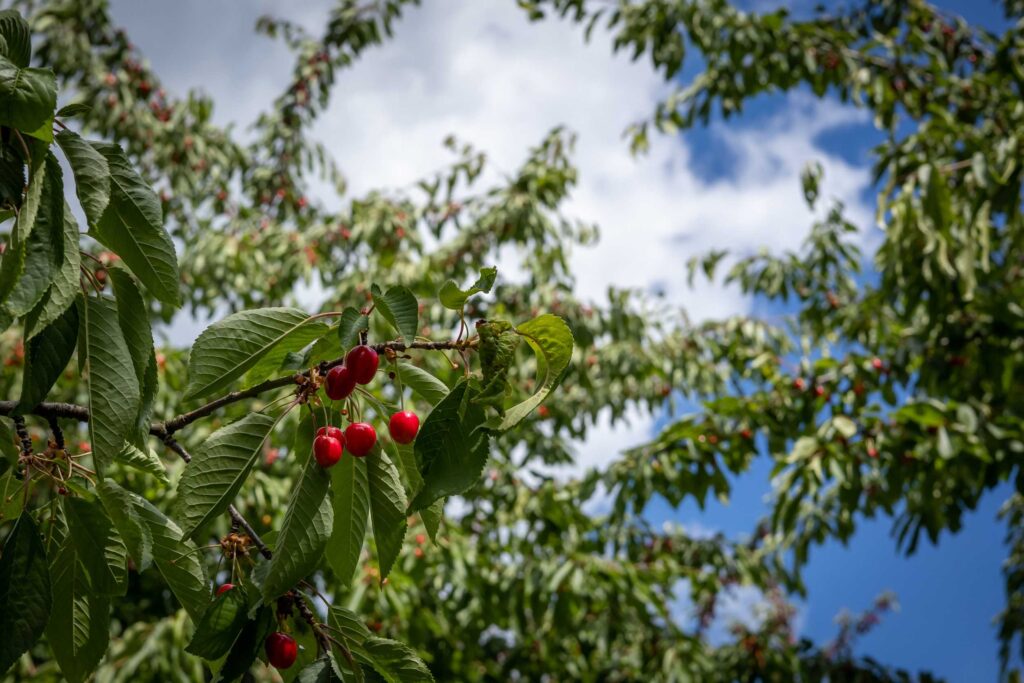
Monitoring Moniliosis with Digital Technologies.
Disease monitoring in crops has progressed significantly with the integration of advanced digital systems. In particular, technologies such as Plantvoice® stand out for their ability to detect changes in physiological parameters of fruits. Through the use of high-precision sensors, it is possible to analyze water flow and sap composition in real time, data that can anticipate the onset of lesions typical of moniliasis.
In an integrated monitoring context, the digital platform constantly collects and analyzes this data, flagging any anomalies that could indicate the onset of an infection. This approach allows for targeted and timely intervention, reducing the extent of infection and limiting damage to production. Integrating these systems into the agronomic management process is an innovative tool to support operational decisions based on accurate data.
Summary Table of Moniliasis (Brown Rot)
| Appearance | Description |
| Pathogen | Fungi of the genus Monilinia |
| Crops Affected | Stone fruits: peaches, apricots, plums |
| Initial Symptoms. | Watery lesions and small spots of discoloration |
| Advanced Symptoms | Stain expansion, rot, altered texture, and fluid secretion |
| Environmental Factors | High humidity, moderate temperatures, intense irrigation |
| Mode of Diffusion. | Dispersion of spores by water and wind, contamination of soil and fruit residues |
| Digital Monitoring | High-precision sensors integrated into digital platforms that analyze water flow and sap composition |
Operational implementation and intervention strategies
Management of moniliosis requires a combination of agronomic practices and digital monitoring. Proper sanitation and timely removal of infected residues are essential preventive measures. The adoption of digital monitoring systems allows risk areas to be identified in real time, facilitating localized interventions that limit the spread of the pathogen.
In this context, the real-time data approach offers the possibility of:
- Detect abnormalities in water flow and sap composition early.
- Detailed mapping of areas affected by infection.
- Plan specific interventions on risk areas, avoiding generalized treatments.
These strategies, integrated with optimal agronomic practices, can effectively contain the occurrence and spread of the disease, protecting fruit quality and overall crop productivity.
FAQ
-
What is moniliasis and which crops are mainly affected?
Moniliosis, or Brown Rot, is a fungal disease that mainly affects stone fruits, such as peaches, apricots, and plums, causing rot and product spoilage. -
What are the first symptoms that indicate the onset of moniliasis?
Early signs include small watery lesions and spots of discoloration on the peel, which rapidly expand into areas of rot. -
How does the pathogen spread among the fruit?
The fungus produces spores that, under moderate humidity and temperatures, germinate and penetrate fruiting tissues, spreading via water, wind and contaminated debris. -
What parameters are monitored for early detection of moniliasis?
Sensors analyze changes in water flow and sap composition, parameters that can anticipate the onset of injury. -
How does digital monitoring support moniliasis intervention?
Real-time data allow for rapid identification of at-risk areas, enabling localized and timely interventions to limit the spread of infection.


%20in%20the%20Drupaceae.)
%20in%20the%20Drupaceae.&description=&image=https://plantvoice.farm/wp-content/uploads/2025/03/albicocco-pianta-1024x684.jpg)