

Anticipate infestations and treat only when needed.
Fewer pesticides, higher harvest quality.
Pest Defence Module
Smart pest defence for your orchard
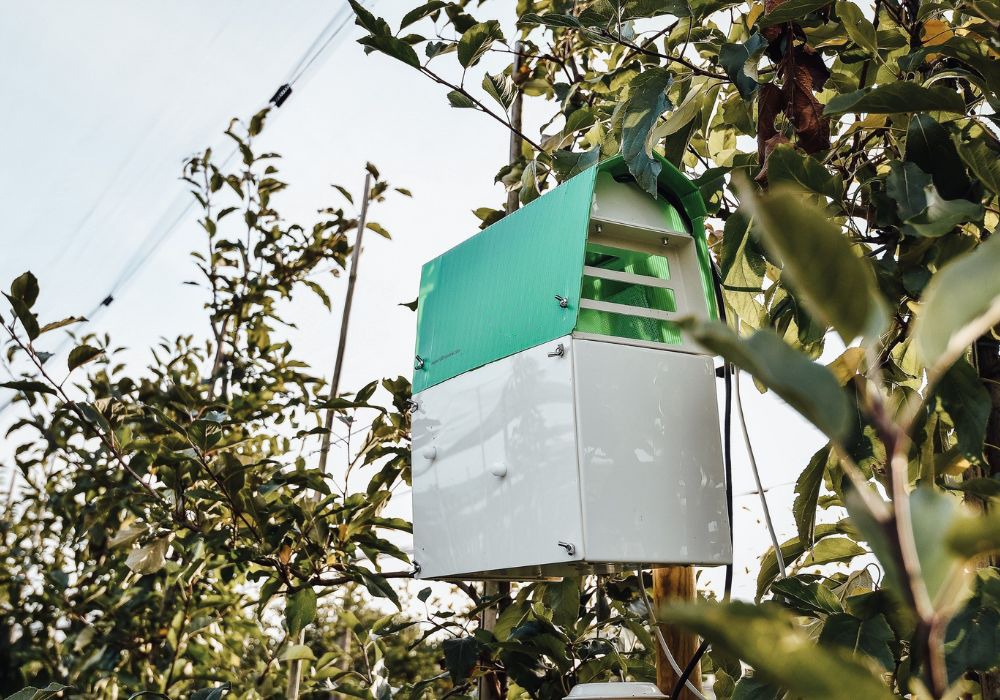
The problem
Pest defence today is often inefficient
Most pesticide treatments are still preventive, calendar-based and imprecise. The result is high costs, environmental impact and chemical residues on the fruit.
40%
Unnecessary
treatments
treatments
OUTDATED METHOD
Calendar interventions, gut-feel decisions, no integration between monitoring and plant physiology.
The solution
Defence becomes predictive
Plantvoice Pests is the smart defence system that monitors insects in real time, analyses how infestations evolve and tells you exactly when to intervene.
1
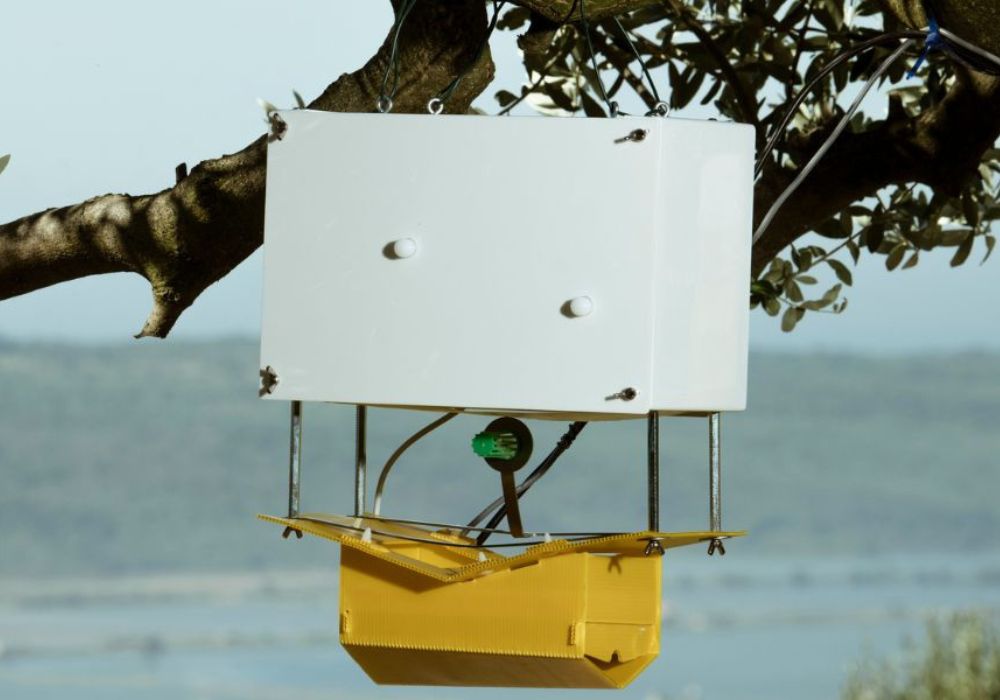
Smart traps
Built-in cameras automatically capture and recognise insects in your orchard.
2
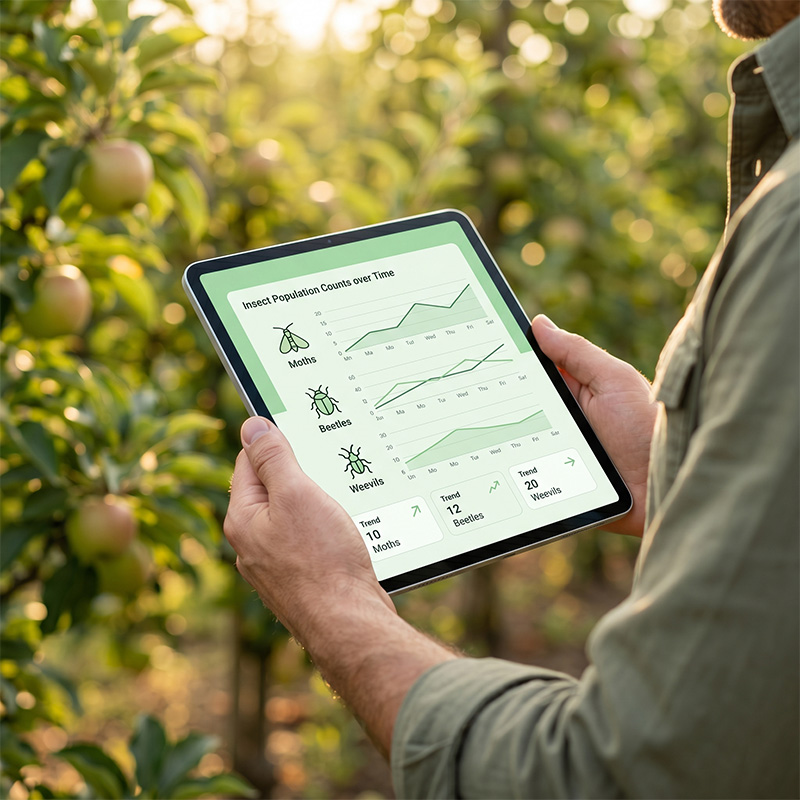
Population analysis
The system counts, classifies and tracks species evolution in real time.
3
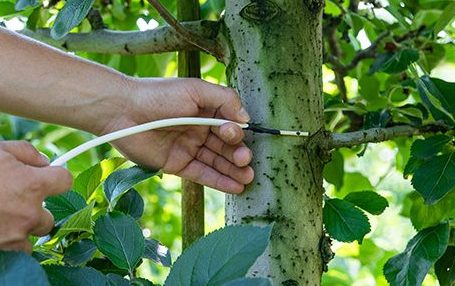
Plant health data
Trap data is cross-referenced with the physiological state of the crop.
4
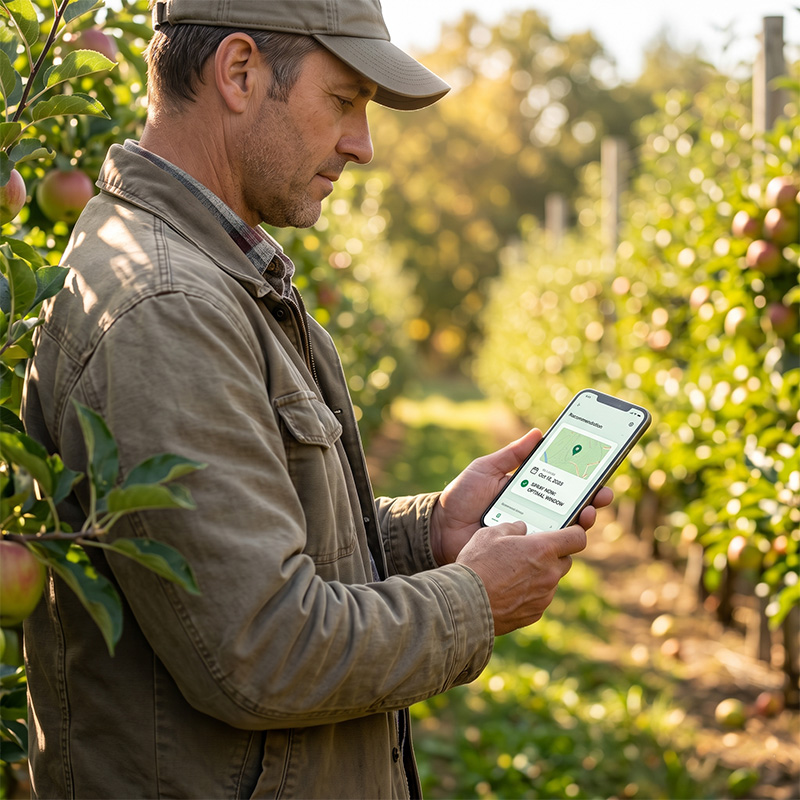
AI recommendations
You get precise guidance on when, where and how to take action.
Treat only when needed, where needed.
Professional hardware + proprietary AI + continuous agronomic support.
The technology
How it works
Far more than insect counting: it integrates monitoring, plant data and predictive models to anticipate infestations.
The system:
1
Smart monitoring
Smart traps automatically capture and recognise insects, 24 hours a day.
2
Population analysis
The system counts and classifies species in real time, tracking trends day by day.
3
Integration with the plant
Trap data is cross-referenced with the physiological state of the crop, detected by Plantvoice sensors.
4
Treatment recommendation
You receive precise guidance on when to intervene, on which plots and with which strategy.
From reactive to predictive defence
No more “just-in-case” treatments. Only targeted interventions, backed by real data and predictive models updated daily.
Real impact
The benefits for your defence
Defence that’s more effective, more sustainable and more precise. Measurable results from your first season.
Targeted treatments
Interventions only when truly needed, based on hard data.
Lower costs
Up to 20% reduction in annual pesticide spending.
Less environmental impact
Less chemistry, healthier soil, protected biodiversity.
Cleaner fruit
Lower chemical residues and higher commercial value at harvest.
Continuous monitoring
24/7 oversight of infestations, including remote plots.
Data-driven decisions
History, trends, forecasts: every agronomic choice becomes measurable.
More quality, less chemistry, more value.
The traps
Smart traps for every crop
A complete line of smart traps, each designed for specific insects and crop types.
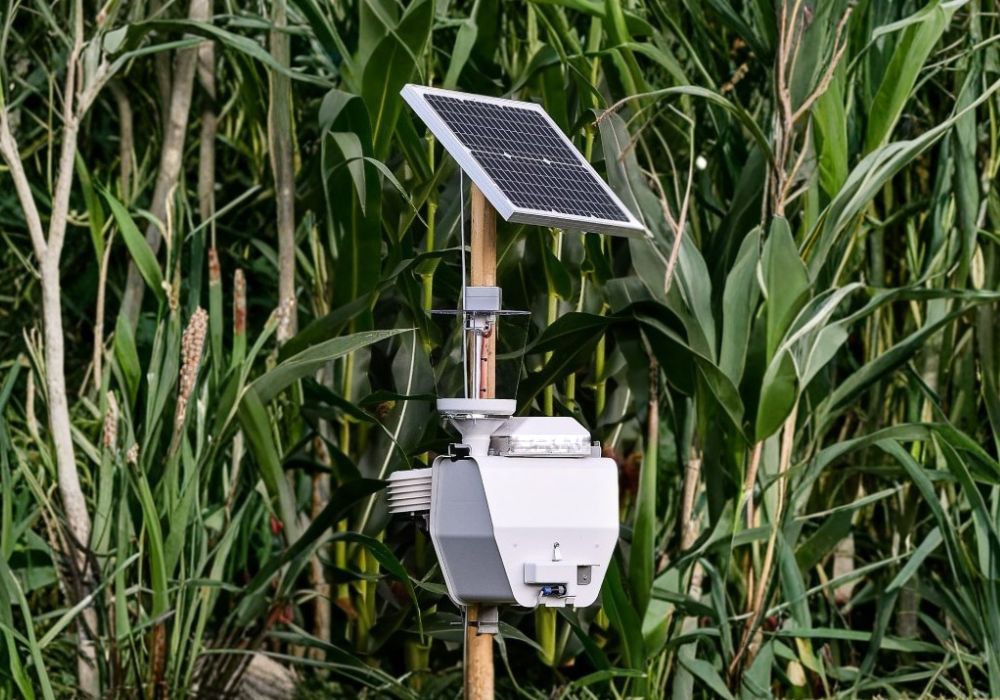
AURA SC
Light attractor
Broad-spectrum monitoring with built-in light attractor.
SLIT SC
Pheromone
Pheromone trap for lepidoptera and specific target insects.
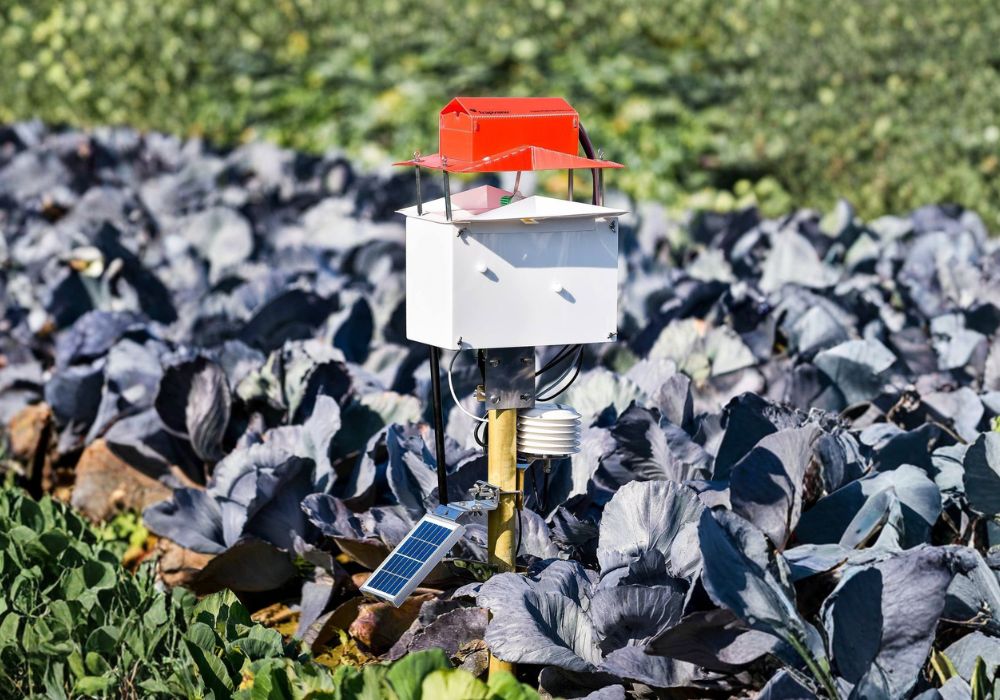
WING SC
Specialty crops
Versatile solution for specialised fruit crops.
U-WING SC
Olive & Walnut
Dedicated defence for olive and walnut groves, targeting key insects.
Each trap is designed for a specific group of insects.
Why plantvoice
Not just monitoring
Plantvoice is the only system combining insect monitoring, plant physiological data and artificial intelligence. To turn defence from reactive into predictive.

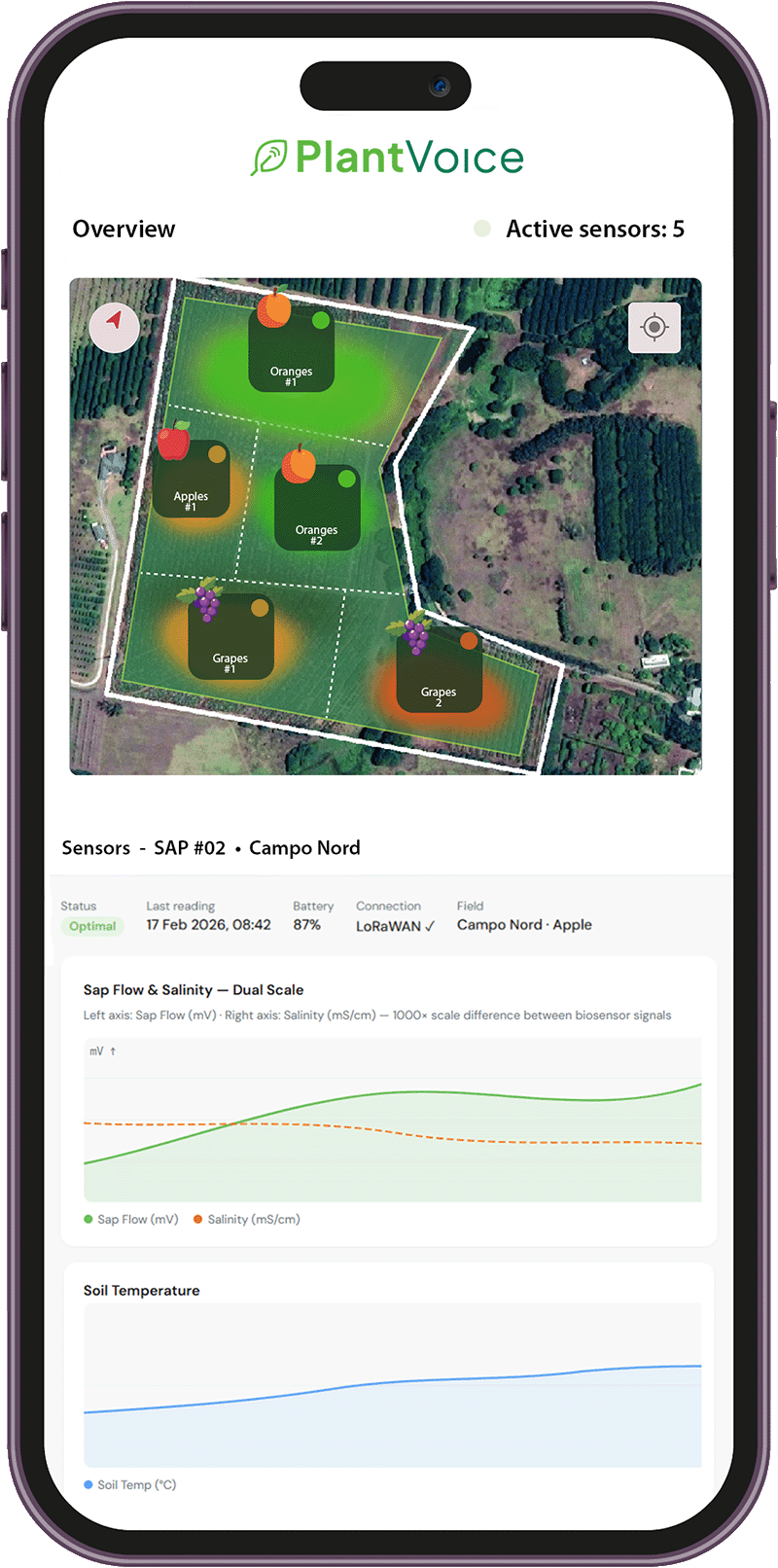
Nutrition OK
Optimal nitrogen · 14:32
Auto irrigation
40% water saved
More quality, less chemistry
Maximise the value of your harvest
Reducing chemical inputs is more than cutting costs: it means higher fruit quality and better-optimised fieldwork.
−20%
Pesticide treatments
+15%
Average harvest quality
24/7
Continuous automatic monitoring
FAQ
Frequently Asked Questions
It is a solution that combines plant physiological sensors and smart traps to monitor insects and prevent infestations that could cause fruit deterioration and pathogen attacks.
The smart traps use specific attractants (such as pheromones or light) to capture and monitor insects, while the plant sensors help detect early signs of stress caused by infestations.
The system can monitor several insect species that are harmful to crops, including: codling moth, European grapevine moth, olive fruit fly, tomato leafminer, tortricid moths and other lepidopterans. During the consultation, we will be glad to suggest the most suitable trap for the crop concerned.
The system makes it possible to: treat only when necessary, reduce the use of pesticides, improve fruit quality and reduce chemical residues.
Contact us
Make your orchard’s defence smarter
Book a free demo: one of our agronomists will show you how Plantvoice Pests fits your farm.


Or contact us directly
Book a demo
Fill in the form, we’ll get back to you within 24h.
Your data is protected and will never be shared with third parties.