Apple scab, caused by Venturia inaequalis, is one of the most widespread fungal diseases in the fruit-growing world, with a major impact on the quality of apple trees. In addition to the formation of the typical spots that lead to premature fruit drop, there is also a phenomenon known as apple scab, a condition that markedly affects the skin and aesthetic appearance of the fruit.
This in-depth botanical examines the pathogen’s characteristics, infectious cycle, clinical manifestations-including scab-and the role of digital monitoring for timely diagnosis.
Pathogen characteristics and clinical manifestations
Venturia inaequalis is an ascomycete fungus whose development is strongly influenced by environmental conditions such as high humidity and mild temperatures. The pathogen produces spores that, when dispersed on leaves and fruit, give rise to lesions that are initially clear and then darken to brown or black. These spots gradually expand and may coalesce, causing widespread deterioration of the fruit surface.
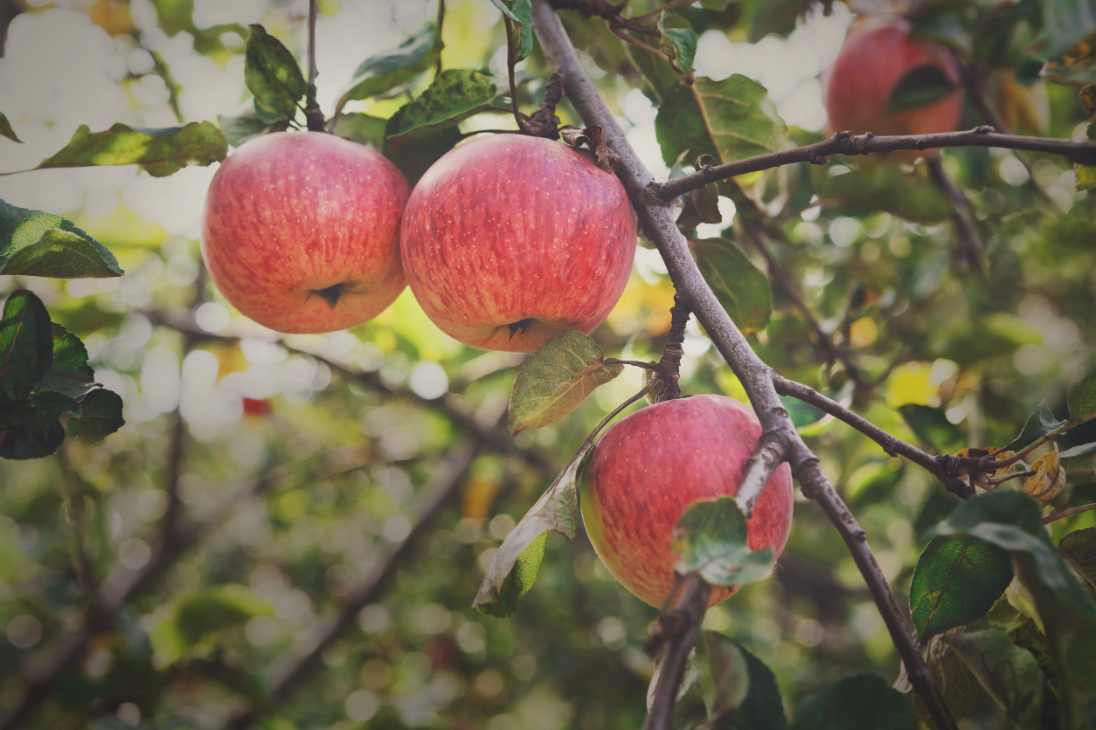
Apple scab represents one of the hallmarks of infection. This phenomenon is manifested by the formation of small, uneven spots on the skin, giving the fruit a spotted and irregular appearance. Such cosmetic changes not only reduce the commercial value of the apple, but are also indicative of impaired photosynthetic function of the leaves, as the disease affects the entire plant system.
In summary, the main symptoms include:
- Leaf spots: lesions that start from small light spots, evolving into dark, well-demarcated spots.
- Scab: the presence of irregular spots on the skin of the fruit, impairing aesthetic appearance and marketability.
- Fruit drop: advanced infections lead to premature fruit drop, resulting in loss of production.
- General weakening: impairment of the vascular system, due to the spread of mycelium, reduces the ability to assimilate water and nutrients.
Infectious cycle and mode of spread
The infection cycle of Venturia inaequalis takes place in stages that are closely interconnected with climatic conditions:
- Winter survival: During the cold months, the fungus survives in the form of survival structures (ascocarps or asci) deposited on leaf debris.
- Spring germination: with the arrival of spring and increased humidity, spores germinate and form germinants that penetrate through microcracks present on the surface of leaves and fruits.
- Local spread: mycelium rapidly expands within tissues, causing spot formation and the onset of scab. Favorable conditions, such as plenty of water and mild temperatures, accelerate this process.
- Release and dispersal: the fungus produces new spores that are dispersed by rainfall, wind and even by mechanical activity in the orchard, thus involving new plants and expanding the infected area.
This repetitive cycle, activated in cycles during the growing season, allows the pathogen to accumulate progressively, making early diagnosis necessary to avoid extensive damage.
Impact on cultivation and distinctive signs
Venturia inaequalis infection has significant consequences on apple trees. The presence of dark spots and scab reduces the photosynthetic efficiency of the leaves and the aesthetic quality of the fruit. Infected apples, in addition to a compromised appearance, may lose some of their juiciness and, in advanced cases, fall prematurely from the tree. This not only decreases the production yield, but also reduces the commercial value of the product.
Damage is most pronounced in high humidity conditions and in orchards with frequent irrigation, where the microclimate favors pathogen proliferation. Scab, in particular, is an early and visible indicator that allows operators to intervene before infection becomes uncontrolled.

Digital monitoring and innovative approaches
To combat apple scab, early detection of physiological abnormalities that precede the onset of visible symptoms is critical. The use of digital technologies, based on high-precision sensors, allows real-time monitoring of water flow and sap composition. These parameters, which can vary in response to pathogen activity, are a useful indicator of the presence of Venturia inaequalis.
Plantvoice® integrates into this monitoring system with sensors placed at strategic locations in orchards. Although the system is mentioned succinctly, it provides real-time data that enables the precise location of areas affected by infection, facilitating timely and targeted interventions. This technological solution, in combination with visual observation and agronomic expertise, improves the accuracy of diagnosis and supports operational management of the disease.
Summary Table of Apple Scab (Venturia inaequalis) and Scab
| Appearance | Description |
| Pathogen | Venturia inaequalis |
| Crops Affected | Apple trees and other fruit crops |
| Leaf Symptoms. | Initial pale spots that evolve into brown lesions, with reduced photosynthetic area |
| Symptoms on Fruits. | Scab: formation of irregular spots and cosmetic disfigurement; in advanced stages, widespread rot |
| Favorable Conditions. | High humidity, mild temperatures, frequent watering |
| Mode of Diffusion. | Dispersion of spores by rainfall and wind; penetration through microcracks on the surface |
| Digital Monitoring | High-precision sensors (Plantvoice®) that analyze water flow and sap composition |
Intervention strategies and operational management
Success in containing infection depends on early detection and targeted interventions. Traditional agronomic practices, such as regular inspection of orchards and removal of infected residues, should be supplemented with digital monitoring. In particular, we recommend:
- Irrigation control: adjustments to avoid water stagnation that promotes spore germination.
- Systematic visual inspections: regular monitoring allows early detection of spot and scab.
- Sanitization and removal: timely removal of infected residues reduces the inoculant load in the soil.
- Continuous monitoring: the use of digital sensors makes it possible to detect changes in physiological parameters, signaling the onset of fungal activity.
These measures, applied in a coordinated manner, help limit the development of apple scab and scab, preserving crop quality and ensuring efficient operational management.
FAQ – Frequently Asked Questions about Apple Scab and Scabies.
- What is apple scab and what symptoms characterize scab?
Apple scab is a fungal disease caused by Venturia inaequalis that affects apple trees and other crops. Scab is manifested by the formation of irregular spots on the skin of the fruit, which become altered and compromised. -
What are the ideal environmental conditions for pathogen development?
Infection develops in environments with high humidity, mild temperatures and frequent irrigation, which promote spore germination and fungal activity. -
How does the spread of the pathogen occur in orchards?
The pathogen spreads via spores carried by rainfall and wind, penetrating into tissues through micro-lesions and abrasions on the surface of plants. -
What symptoms are observed in affected plants?
Plants show initial spots on leaves that evolve into brown lesions, while fruits develop scab, rot and, in advanced cases, premature drop. -
How does digital monitoring support early diagnosis of the disease?
High-precision sensors measure changes in water flow and sap composition, detecting abnormalities in real time that signal the onset of infection, enabling targeted interventions.