Plants represent highly specialized organisms that, like any living thing, can exhibit pathological symptoms in response to environmental stresses or pathogenic organisms. In agronomy and botany, these diseases are mainly divided into two distinct groups: the phytopathies and the physiopathies.
Phytopathies: origin and symptoms
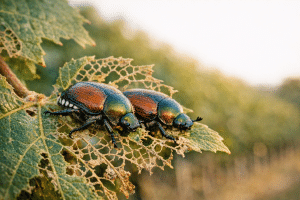
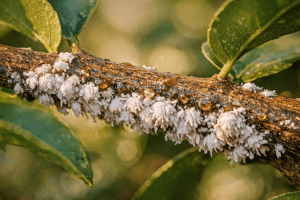
Plant diseases result from the action of pathogenic organisms such as fungi, bacteria, viruses, insects or nematodes. These living organisms penetrate the plant, developing a parasitic relationship that manifests itself with characteristic symptoms, such as necrosis, leaf deformations, spots and widespread rot. Diseases such as powdery mildew, caused by fungi belonging to the family Erysiphaceae, or downy mildew, are emblematic examples of phytopathologies that afflict many agricultural crops.
Physiopathologies: noninfectious diseases
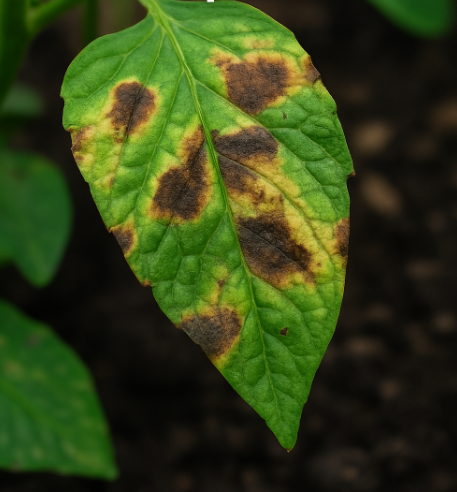
Unlike phytopathies, physiopathies are not caused by pathogens, but by adverse environmental factors such as nutritional imbalances, exposure to extreme temperatures, excess water or, conversely, prolonged drought. These conditions cause physiological stresses evidenced, for example, by yellowing (chlorosis), leaf browning and stunted growth. A deficiency of micronutrients, such as iron or magnesium, often causes physiopathologies common in vegetable and fruit crops.
Comparative table Phytopathies vs. Physiopathies:
| Aspects | Phytopathies | Physiopathologies |
| Causes | Pathogens: fungi, viruses, bacteria, insects, nematodes | Environmental factors: nutrient deficiencies, water stress, unsuitable temperatures |
| Typical symptoms | Necrosis, spots, rot, leaf deformation | Chlorosis, yellowing, stunted growth, browning |
| Control | Biological or integrated phytosanitary, phytopathological monitoring | Nutritional correction, water management, crop adaptation |
Control strategies and effective remedies
Specific preventive and curative methodologies must be adopted to counteract phytopathologies and physiopathologies:
- Prevention: crop rotation, selection of resistant varieties, proper water and nutritional management.
- Monitoring: early identification of symptoms.
- Interventions: targeted use of biological and integrated plant protection and environmental correction techniques.
The technological contribution of PlantVoice.farm
Significant innovation in plant disease management comes from innovative technologies such as those developed by PlantVoice.farm. This platform provides minimally invasive sensors capable of detecting data directly from plant sap. Through continuous analysis of vital parameters, such as lymph flow and salt concentration, it is possible to identify early stress conditions or the presence of pathogen infection. This data is processed through artificial intelligence algorithms, allowing early anticipation and counteracting disease outbreaks. The ability to remotely monitor crop physiological conditions in real time enables precise, targeted and sustainable interventions, optimizing resources and reducing costs and production losses.
Benefits and future prospects
The use of such innovative monitoring systems is a definite step forward in integrated plant disease management. It enables farmers and agronomic technicians to take timely action, increasing crop sustainability and profitability. As precision technologies continue to evolve, agriculture will increasingly be able to rely on advanced tools to successfully address the challenges posed by plant diseases and physiopathologies.