

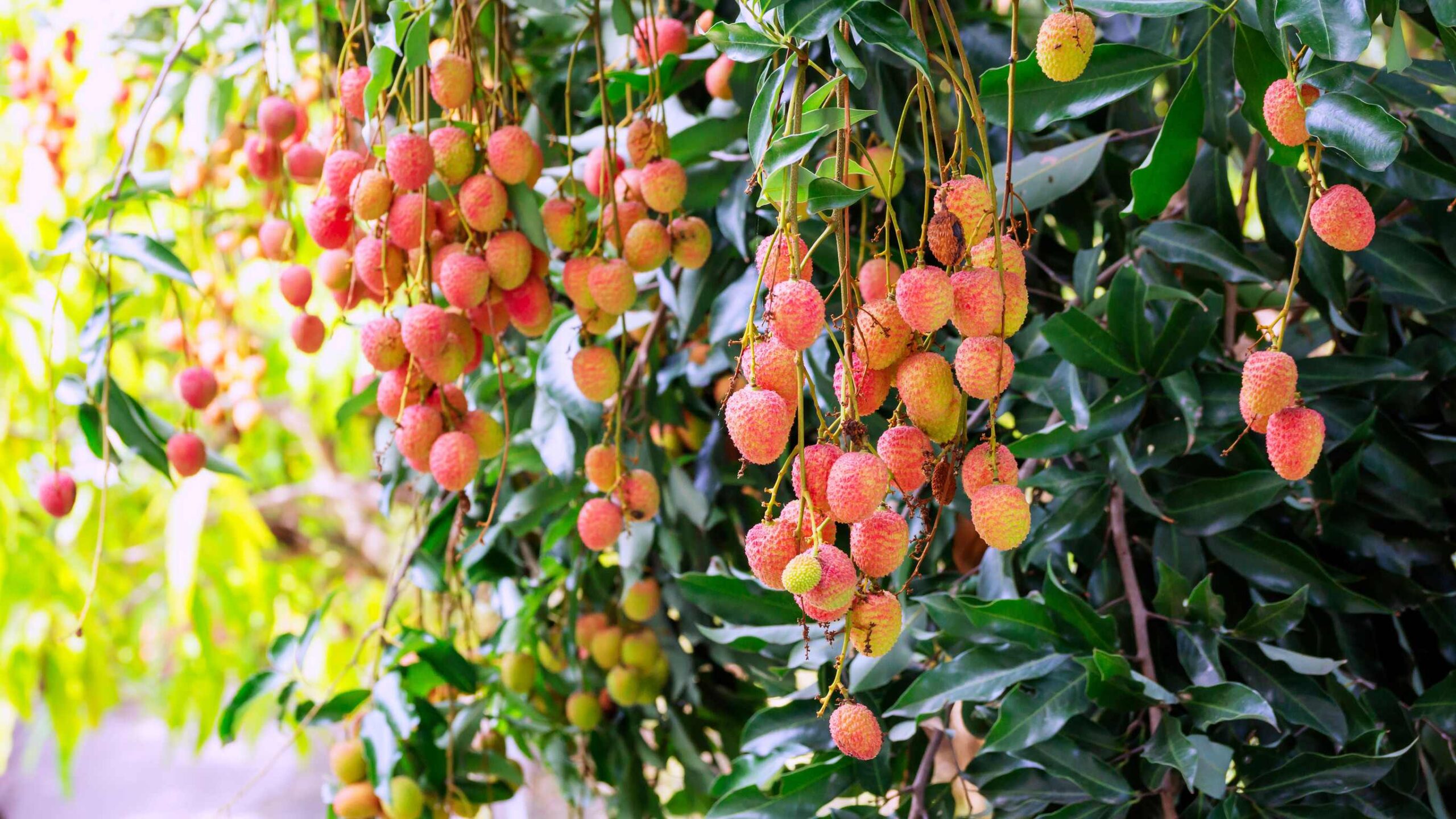
Collar rot is a fungal disease that affects many orchards, occurring under high humidity conditions and compromising plant viability and crop quality. This disease, which settles mainly in the basal area of the plant-namely the “collar”-is particularly detrimental to fruit production, as it weakens the plant from the early stages of development.
Characteristics and origin of the pathology
Collar rot is caused by fungi that attack the underside of the stem and roots, compromising the vascular system. The pathogen penetrates through small lesions or stress areas, taking advantage of excess moisture in the soil or surrounding environment. Excessive irrigation conditions, the presence of waterlogging and poor ventilation favor the establishment of the fungus, which begins to degrade plant tissues in a progressive manner.
This type of attack is first manifested by the appearance of dark or blackened spots at the base of the stem, gradually extending down the collar and roots. The disease can result in the formation of necrosis, leading to an impairment of the nutrient and water transport system, a key element in maintaining plant viability.
Infectious cycle and mode of spread
The infection cycle of Collar Rot develops in several stages, closely related to environmental conditions:
- Survival and germination: the fungus produces survival structures, which can remain active in the soil for prolonged periods. With the arrival of high humidity conditions and favorable temperatures, these structures germinate, releasing spores capable of attacking plants.
- Tissue penetration: spores, once deposited in the contact areas between the soil and the plant, penetrate through micro-lesions or areas of weakness, attacking the collar and roots.
- Mycelium expansion: mycelium spreads rapidly into tissues, degrading them and impairing the efficiency of the vascular system. The action of the fungus leads to the formation of necrosis and rot affecting the base of the plant.
- Release of new spores: in a moisture-rich environment, the pathogen produces new spores that are carried by wind, water or mechanical activities, further spreading the infection within the orchard.
The speed with which the pathogen spreads is closely linked to climatic conditions and agronomic management, making constant monitoring essential to contain the infection.
Symptomatology of collar rot
The signs of the disease are obvious and manifest progressively. In orchards, early manifestations include:
- Dark spots at the base of the stem: the point of attack is located in the collar area, where the first lesions appear as dark or blackened spots.
- Extension of lesions: as the infection progresses, the spots expand along the stem and also affect the roots, causing necrosis and structural damage.
- Plant weakening: impairment of the vascular system results in reduced water and nutrient transport capacity, causing wilting and reduced vegetative growth.
- Premature fruit drop: in severe cases, infection can lead to generalized stress, resulting in premature fruit drop and crop loss.
These symptoms, observable both in the field and in the laboratory, allow for a clinical diagnosis that must be supplemented with monitoring tools for timely intervention.

Monitoring technologies for collar rot
Early diagnosis of collar rot is critical to contain the spread of the pathogen and protect the integrity of crops. The use of digital technologies, through the use of high-precision sensors, makes it possible to monitor plant physiological parameters in real time. These devices, placed in critical areas of the orchard, detect changes in water flow and sap composition that may indicate the onset of infection.
Plantvoice® is a technological tool that integrates into the digital monitoring system. The sensors used by Plantvoice® constantly analyze the data collected, allowing for rapid and localized identification of areas affected by Collar Rot. This solution supports targeted intervention, allowing corrective measures to be applied in a timely and targeted manner.
Summary Table of Collar Rot.
| Appearance | Description |
| Pathogen | Fungi that attack the collar and roots |
| Crops Affected | Orchards, with particular incidence in apple, pear, and other fruit crops |
| Initial Symptoms. | Dark spots at the base of the stem, near the collar |
| Advanced Symptoms | Extension of lesions, necrosis, weakening and premature fruit drop |
| Favorable Conditions | High humidity, frequent watering, and poor ventilation |
| Diffusion Modes. | Release and dispersion of spores by water, wind and mechanical activities |
| Digital Monitoring | High-precision sensors (Plantvoice®) that detect changes in water flow and sap composition |
Operational implementation and intervention strategies
Effective management of collar rot relies on an integrated approach that combines agronomic practices with digital technologies. Regular observation of orchards, combined with systematic visual inspections, allows early detection of signs of the disease. The use of digital sensors, which monitor physiological parameters in real time, makes it possible to quickly identify areas at risk.
Operational strategies include:
- Irrigation control: careful adjustment of irrigation to avoid water stagnation and maintain adequate moisture levels.
- Periodic inspections: frequent visual monitoring of critical areas for early manifestations of infection.
- Soil sanitation: timely removal of infected plant debris to interrupt the infection cycle.
- Localized interventions: application of targeted treatments only in affected areas, based on data collected by sensors.
These interventions, combined in a coordinated operational plan, make it possible to limit pathogen expansion and preserve plant viability.
FAQ – Frequently Asked Questions about Collar Rot.
-
What is collar rot and which crops does it mainly affect?
Collar rot is a fungal disease that mainly affects orchards, affecting apple, pear, and other crops, with significant damage to the stem base and roots. -
What are the initial signs of infection?
Early signs include the appearance of dark spots in the collar area, followed by the extension of lesions and the formation of necrosis in the tissues. -
What environmental factors promote the development of the disease?
High humidity, frequent watering and insufficient ventilation create ideal conditions for pathogen establishment. -
How does the pathogen responsible for collar rot spread?
Spores are released and dispersed through water, wind and mechanical activities, penetrating into tissues through injuries or abrasions. -
How can digital monitoring support disease management?
High-precision sensors detect changes in water flow and sap composition, allowing early detection of at-risk areas and targeted intervention.


