Zucchini cultivation requires rigorous preventative measures to maintain high production standards. Early recognition of signs of stress or infection in the plant is essential to limit the economic impact of damage to the crops.
This plant is very widespread and it is important to know which diseases can affect it, as they can have significant impacts on productivity and commercial quality of the fruits .
In this guide we will give a general overview of the signs that should not be underestimated and the possible remedies to protect your plantations.
How to prevent zucchini diseases?
Prevention is the first step towards effective plant health management , and agronomic strategies can have different levels of intervention. Here are the main ones:
- Environmental factors:
- It must grow in warm-temperate climates , with temperatures not lower than 14°C , as below this threshold the plant’s growth stops.
- The soil must be deep , fresh , well-drained and rich in organic matter .
- It’s important to water it abundantly , but not too frequently, as this could encourage the development of leaf growth, to the detriment of the fruit. Furthermore, excess moisture creates favorable conditions for fungal diseases.
- Agronomic practices:
- Crop rotation helps prevent soil diseases by allowing a natural reduction in the infectious inoculum.
- Proper fertilization allows for resilient plants. Fertilizing is necessary from planting until harvest. It’s important not to over-fertilize, as this can increase the risk of disease.
- Regularly apply strengthening products based on natural substances such as propolis, rock flour and lecithin.
- Monitoring and interventions:
- Remove old plants , as they are more prone to disease.
- Remove diseased leaves to limit the spread of diseases.
In production environments where timely intervention is crucial, having technological support can make a difference. Plantvoice monitors and assesses plant health , providing direct information on physiology through non-invasive, real-time sap analysis .
Fungal diseases
Powdery mildew or powdery mildew
Powdery mildew , also known as powdery mildew , is a fungal disease that can affect numerous species. It appears on shoots, usually in late spring. The first signs to watch for are light-colored spots on which a whitish mold forms. As the infection progresses, the surrounding tissues become necrotic and begin to take on a brownish color. Infections of this fungus appear from the beginning of the season, when the shoots open, and are favored by warm temperatures .
To combat powdery mildew, you can use sodium or potassium bicarbonate, diluted with water, and specific fungicides. Additionally, the disease can be treated with sulfur-based products, Cuban zeolite , and other tonics. In addition to these methods, it’s important to remove the infected parts.
Downy mildew
Downy mildew ( Pseudoperonospora cubensis ) can also attack courgettes. It is caused by an oomycete and can appear especially at the beginning or end of the season , in cool, humid climates and temperatures around 20°C. It manifests itself with the appearance of yellow-brown spots between the leaf veins, while a greyish mould can be seen on the underside. The leaves also begin to dry out.
Tracheomycosis
Tracheomycosis is another potentially dangerous fungal disease of zucchini and is caused by the fungi Fusarium oxysporum and Verticillium dahliae. These infect the plant’s vascular vessels, and the first observable symptoms are yellowing of the leaves and necrosis along the edges . Additionally, the plant exhibits stunted growth and a reduction in size, eventually collapsing.
This type of disease is more common in short-term crops, and the main prevention method, as mentioned, is crop rotation . After eliminating infected plants, it’s important not to grow the same type of plant in the same area for a couple of years. Furthermore, the use of the antagonistic fungus Trichoderma is a very effective method.
Botrytis
Another zucchini disease that requires special attention is botrytis , also known as gray mold , caused by the fungus Botrytis cinerea . The latter penetrates mainly through wounds , which are the preferred entry point, before attacking and rotting the most vulnerable parts of the plant: flowers and fruit. The main causes may be:
- Plant stress conditions .
- Very humid environments during flowering and in the post-harvest period.
Botrytis makes the fruit unmarketable and can also develop post-harvest .
To prevent the plant from contracting this disease, it is advisable to treat it with copper-based products , zeolite , Bacillus subtilis , and ensure good ventilation to avoid humid climates. However, when the disease appears, it is essential to immediately eliminate the affected fruit .
Alternaria
Alternaria is another disease that can affect zucchini and is caused by the fungus Alternaria cucumerina. This fungal disease spreads in spring , especially in rainy weather, and can survive through the winter in infected crop residue. It manifests as black, pinpoint spots on the leaves , which subsequently fall off. These spots appear first on older leaves and then spread to younger ones. They are small, round, and irregular (1 to 4 mm). Each spot has a yellow-green halo , and the leaves curl downward until they dry out.
As for prevention , it’s essential to water only at the base . Furthermore, at the end of the growing season, it’s essential to remove all zucchini residue and use products based on diluted neem oil . Finally, you can use natural remedies such as horsetail decoction , compost tea, copper-based sprays, or organic fungicides such as Bacillus subtilis or Actinovate.
Septoria
Another fungus that’s dangerous for zucchini is Septoria cucurbitacearum . It thrives in warm, humid conditions , around 16°C in spring and autumn. Septoria can be identified by its round beige or white spots with dark brown margins.
To prevent this disease, it is essential to provide ample airflow to the plants and, if contagious, prune infected leaves and use potassium bicarbonate to treat nearby plants.
Gummy Cancer
Gummy canker is a disease caused by the fungus Didimella bryoniae , which in recent years has become increasingly common in zucchini crops. It can be recognized by the circular, hazelnut-brown necrotic areas that can also appear on the stems, penetrating deeply and stunting the plant’s growth . This disease is therefore very dangerous because it can compromise production . The characteristic symptom of this disease, from which it takes its name, is the presence of a red, gummy substance that oozes from the lesions. This secretion is an indicator that allows the pathogen to be distinguished from other similar diseases.
Timely intervention is always the best response, along with preventative cultivation practices.
Root rot
Root rot is another disease caused by polyphagous parasitic fungi : Phoma, Fusarium , and Sclerotinia . This disease attacks the subcortical tissues of the roots and collar, and the main symptoms are:
- Stunted vegetation.
- Withering and desiccation.
- Mycelial felt under bark.
- Appearance of the fruiting bodies of the fungus.
- Widespread rot in the root system of the plant.
To combat root rot, it is necessary to eliminate the affected plants . When reforesting, it is advisable not to plant trees too close together and to diversify the species, to reduce the risk of spread.
H3 Cladosporiosis
Cladosporiosis is also a fungal disease that affects all zucchini plants, appearing mainly on the above-ground part of the plant . When zucchini is infected by the Cladosporium fungus, the most obvious symptoms appear on the leaves , where necrotic spots form that tend to tear in the middle, resulting in visible damage to the surface. Furthermore, on the fruit, the disease manifests itself with rounded, sunken notches , accompanied by rubbery lumps and mold . All of this compromises the quality of the product . Furthermore, the tissues underlying the spots rot , reducing the plant’s ability to grow and produce.
To combat cladosporiosis, it is possible to use copper-based products and, in this case too, uproot the infected plants to avoid the spread of the disease to healthy plants.
Sclerotinia
Sclerotinia is a secondary disease of zucchini, but it is still potentially dangerous, so it deserves mention. It is caused by the fungus Sclerotinia sclerotiorum and manifests itself under particular climatic conditions, with high humidity and mild temperatures . In zucchini, it can cause rot and is recognized by the presence of a whitish mycelium on the infected areas .
Since humidity is a critical factor for the development of the fungus, it is essential to apply agronomic practices that avoid waterlogging and improve soil drainage . Furthermore, it is important to remove all infected plants and, in this case too, use the Trichoderma fungus.
Bacterial diseases
Erwinia carotovora
Bacterial soft rot caused by the bacterium Erwinia carotovora represents a significant problem for zucchini crops, characterized by an attack that begins on the fruit itself . The infection causes a progressive disintegration of the tissues , which become soft and watery .
Management of this bacterial disease relies on preventative strategies , as there are no effective curative treatments once it has occurred. It is important to pay particular attention to water management, avoiding waterlogging and maintaining good soil drainage . Another effective practice is to limit direct contact of the fruit with the soil , for example through mulching . This technique creates a barrier between the fruit and the soil , reducing the risk of bacterial infection and keeping the fruit in optimal hygienic conditions.
Bacterial wilt
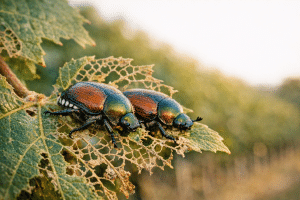
Among the most insidious bacterial diseases affecting zucchini is bacterial wilt, caused by the bacterium Erwinia tracheiphila . This disease is transmitted by striped cucumber beetles, the main species of which are Acalymma vittatum and Diabrotica undecimpunctata howardi. It mainly affects the spring season, with potentially serious consequences for production. Symptoms of bacterial wilt include:
- Discoloration of the leaves , which become dull or pale green . It is initially visible at the edges, then spreads towards the center.
- The leaves then turn yellow and dry up , then die.
- If you cut the stem you can see white, sticky filaments .
To prevent this disease, it is possible to prefer resistant varieties, but once the bacterium infects the plant, the infected parts must be removed immediately to prevent the infection from spreading.
Bacterial leaf spot
In hot, humid environments , bacterial leaf spot , a typical summer disease, can also develop. It is caused by the bacterium Xanthomonas campestris and is dangerous for zucchini, as there are no effective treatments : prevention is therefore the only defense strategy. Symptoms of leaf spot can include:
- Small spots with yellow edges on the leaves , which begin to necrose.
- Beige spots on courgettes .
To prevent the disease it is important to practice crop rotation every 2-3 years .
Virosi
Zucchini yellow mosaic virus
Zucchini yellow mosaic virus is a highly problematic virus. It manifests itself with deformed leaves, long, narrow lobes, and thick, irregular edges . The leaves take on a shape reminiscent of parsley. The fruits also appear irregular , with depressed areas approximately 1 cm in diameter. Therefore, the affected plant loses energy and significantly reduces its production .
Cucumber mosaic virus
Despite its name, cucumber mosaic virus affects not only cucumbers, but also zucchini . This virus is transmitted by insect vectors such as aphids . It can be recognized by several signs:
- The fruits grow deformed , small in size and with a rough skin.
- The leaves are light , crooked and curled up.
- The characteristic mosaic pattern , with yellow and light green areas, which can be more or less evident.
- Plants dramatically slow down production and growth, wilting quickly.
- The presence of aphids or cucumber beetles may indicate the presence of the disease.
To prevent this, too, it’s a good idea to choose resistant varieties , keep your tools clean, and grow repellent plants like garlic, onions, and aromatic herbs to repel insect vectors. If the plant is already infected, however, it’s recommended to remove the diseased parts and eliminate aphids with neem oil . Unfortunately, once the plant is infected, it’s not possible to completely eliminate it, but only to reduce its spread .
Parasites
Common or Two-Spotted Red Spider
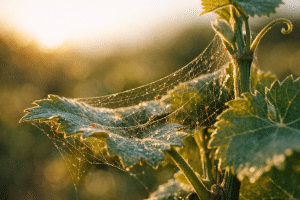
Among the zucchini pests, we find the red spider mite , known as Tetranychus urticae. It is polyphagous and thrives primarily in hot, dry climates . Females and juveniles feed by puncturing leaf cells and sucking out their contents . This causes the appearance of small chlorotic spots which, with intense infestations, coalesce to cause widespread yellowing, desiccation, and premature leaf drop. A distinctive sign of the infection is the presence of fine, silky webs on the undersides of infested leaves, within which the mites live and reproduce.
To naturally combat this parasite, it is recommended to apply neem oil and use nettle extracts , which have a repellent action and strengthen the plant’s natural defenses.
White fly
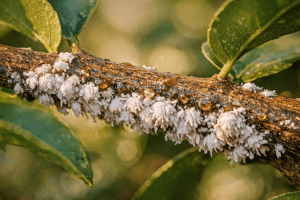
The whitefly represents another parasitic threat to zucchini. Similar to a gnat, it has a yellowish-white body covered in a whitish, waxy powder in the shape of a flake, and is about 2 mm long. This pest produces honeydew through its nymphs , which reduces photosynthetic activity and causes the development of sooty mold . You can recognize the symptoms of this pest on leaves and shoots by certain signs such as:
- Chromatic alterations or discolorations.
- Malformations or curls.
- Possible transmission of viruses and bacteria .
The most common methods for fighting this parasite are:
- White mineral oils
- Neem oil.
- Azadirachtin
- Cuban zeolite.
- Resistance inductors.
- Silicone resins.
- Beneficial insects such as the parasitoid Encarsia formosa.
Zucchini deficiencies
In addition to all the fungal, bacterial, or parasitic diseases, nutritional deficiencies can seriously compromise zucchini crops. Early diagnosis of symptoms allows for effective corrective measures. Here are the most common:
- Calcium deficiency : This can be recognized by the fact that the leaf blades turn yellow and curl up , while the roots are poorly developed and fruit production is very poor . To resolve this deficiency, it is recommended to fertilize with calcium-based products such as lime or chelated calcium.
- Nitrogen deficiency : The plant appears bare and lifeless , roots and shoots do not develop properly, and the leaves appear yellow with necrotic edges . To correct this deficiency, it is recommended to use nitrogen fertilizers , maintaining a balanced dosage: an excess of nitrogen can in fact encourage the development of fungal diseases.
In general, to obtain healthy, quality fruit it is essential to fertilize in a balanced way, including magnesium and potassium.
Summary table of zucchini diseases
| Illness | Main symptoms |
| Powdery mildew (powdery mildew) | Light spots with whitish mold; surrounding tissues become necrotic and brownish |
| Downy mildew | Yellow-brown spots between the leaf veins; greyish mould on the underside; leaf drying |
| Tracheomycosis | Yellowing of leaves; necrosis along the edges; stunted growth; reduction in plant size to the point of collapse |
| Botrytis (gray mold) | Flower and fruit rot; attack through wounds; makes fruit unmarketable |
| Alternaria | Black, pinpoint spots on leaves (1-4 mm); yellow-green halo; leaves curled downwards; drying out |
| Septoria | Round beige or white spots with dark brown margins |
| Gummy Cancer | Circular, brown-brown necrotic areas; red, rubbery substance oozing from the lesions; growth arrest |
| Root rot | Chlorosis; stunted vegetation; wilting and drying; mycelial felt under the bark; root rot |
| Cladosporiosis | Necrotic spots on leaves that tear in the center; round, sunken notches on fruits with rubbery lumps and mold |
| Sclerotinia | Rot; whitish mycelium on infected areas |
| Erwinia carotovora | Soft rot of the fruit; progressive disintegration of the tissues which become soft and watery |
| Bacterial leaf spot | Small spots with yellow margins on necrotic leaves; beige spots on courgettes |
| Yellow mosaic virus | Deformed leaves with long, narrow lobes; parsley-like shape; irregular fruits with depressed areas (about 1 cm) |
| Cucumber mosaic virus | Small, misshapen fruits with rough skin; pale, crooked, and curled leaves; yellow-green mosaic pattern; slow growth |
| Bacterial wilt | Leaf discoloration (dull or pale green); yellowing and drying; white, sticky filaments in the cut stem |
Summary table of zucchini pests
| Parasite | Main symptoms |
| Red spider mite (Tetranychus urticae) | Small chlorotic spots on the leaves; widespread yellowing; drying and premature leaf fall; silky webs on the underside |
| White fly | Chromatic alterations or discolorations on leaves and shoots; malformations or curling; honeydew production; reduction in photosynthetic activity; sooty mold |
Monitor the physiological state of your crops with Plantvoice. Find out how it works!